


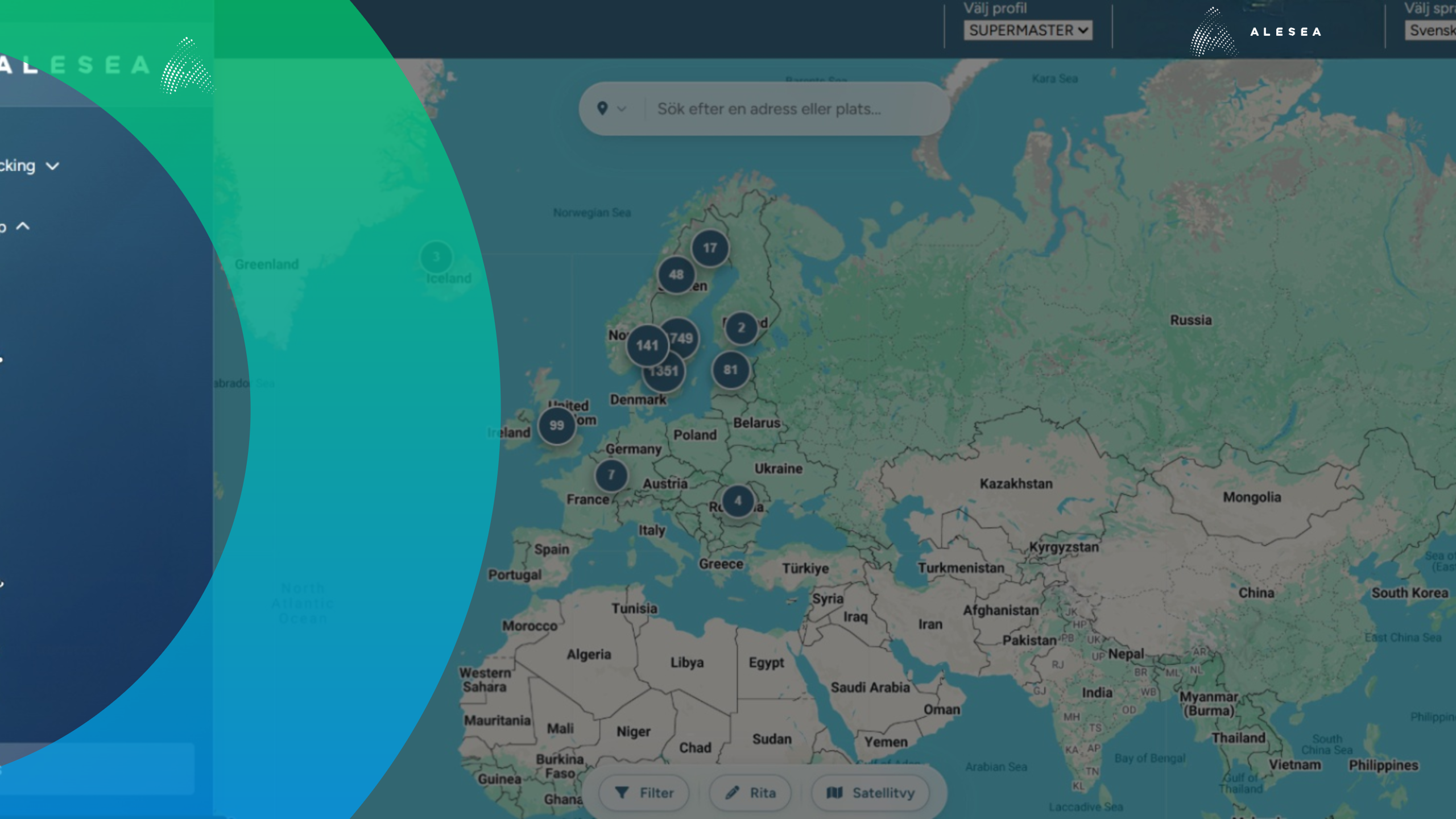
How Alesea is bringing AI and IoT into the cable supply chain
Cable drums, cabinets, and site equipment have always been part of the physical world of grid construction, often hard to keep track of. Alesea, an IoT and AI platform, is changing that. But asset tracking is only the starting point: behind the scenes, Alesea combines connected hardware, artificial intelligence, and a dedicated sustainability module to help utilities and contractors run leaner, more transparent and more sustainable projects.
According to Ornella Heyraud, Head of Europe at Alesea, the platform was built to solve a problem that the industry has lived with for decades. "Cable drums are valuable assets, but on a construction site they don't always get treated that way: they get moved, stored, forgotten, and sometimes lost between depots and job sites. Digitalizing that flow is not a nice-to-have anymore, it is becoming a condition for running a grid project efficiently."
Beyond tracking: a connected hardware layer
At the core of Alesea's offering is a family of IoT devices designed to sit directly on or near the assets they monitor. These devices capture location, movement, and environmental conditions such as humidity and temperature in real time, feeding that data continuously into the platform. The result is not simply a map of where drums are, but a live picture of how an entire site is being used: which cabinets are active, how storage areas are filling up, how much stock is still available at any given moment, and where bottlenecks are forming before they cause delays.
"The hardware is the foundation, but the value comes from what happens with the data afterwards," says Ornella. "Knowing where a drum is matters, but knowing when to schedule the next delivery, when to plan a pickup of empty drums, or when a piece of equipment is nearing the end of its useful cycle — that is where real operational savings come from."
Turning data into decisions with AI and business intelligence
This is where Alesea's business intelligence layer comes in. The platform processes the data collected on site and translates it into dashboards, alerts, and forecasts that project managers and logistics teams can act on directly. Instead of relying on manual counts or scattered spreadsheets, teams gain a continuously updated overview of inventory levels, utilisation rates, and site progress.
A live view of stock is one of the most immediate benefits. Because remaining material is visible in real time, surplus cable no longer sits idle in the wrong place: teams can see exactly what is available and redirect it to the sites where it is actually needed, cutting waste and avoiding unnecessary new orders. Predictive functions build on this, flagging when stock is running low or when equipment usage patterns deviate from what is expected, so issues can be addressed before they escalate into costly downtime.
The value of that visibility is not limited to the field. While project managers and logistics teams rely on it to run day-to-day operations, the same insights give senior management a solid, data-driven basis for higher-level decisions — from allocating resources across projects to planning investment and assessing performance across an entire portfolio.
For utilities and EPC contractors managing multiple sites at once — a common scenario across grid reinforcement and interconnection projects in the Nordics — this shift from reactive to proactive management can materially change the economics of a project, reducing idle equipment time and improving the reliability of delivery planning.
Sustainability built into the platform, not bolted on
Digitalisation and sustainability are, for Alesea, two sides of the same objective. The platform's Clepath module was designed specifically to give companies visibility into the environmental footprint of their logistics and asset management activities, generating structured emissions reports that can support both internal sustainability targets and external reporting requirements.
"Sustainability cannot be an afterthought bolted onto a report at the end of the year," Ornella notes. "It has to be measurable, continuous, and tied to the same operational data that already drives day-to-day decisions. That is the principle behind Clepath: the same information that helps a site run more efficiently is also what tells you how much CO2 you have saved by avoiding unnecessary transport, reducing empty-drum journeys, or optimising reuse instead of disposal."
This logic extends to how physical assets themselves are managed at the end of a project. Reverse logistics - planning the collection, consolidation, and redistribution of drums and equipment once a job is complete - is increasingly treated as part of the sustainability equation rather than a purely operational afterthought, reducing both waste and unnecessary transport emissions.
Alesea's approach reflects a broader shift underway across the energy infrastructure sector: efficiency and sustainability are converging, and the data needed to support both is increasingly the same data. For grid operators and contractors navigating tighter budgets, stricter emissions targets, and more complex logistics, that convergence is becoming a genuine competitive advantage.
To learn more about how Alesea's IoT and AI solutions can support your project, get in touch with the Alesea commercial team:
- Ornella Heyraud | [email protected]
- Matteo Dalla Via | [email protected]
- Luca Morlacchini | [email protected]